
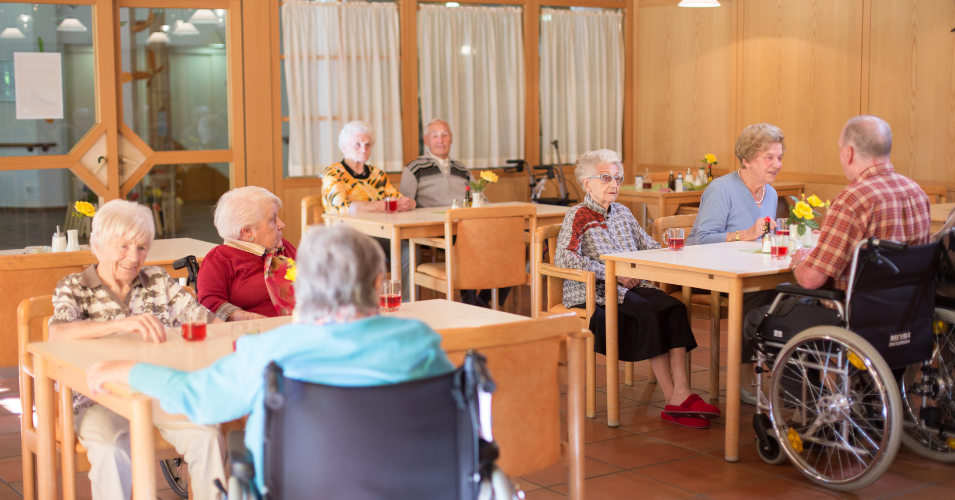
Moving into a nursing home in your 80s is more than just a change of address. It is a major shift in your daily life, your independence, and your sense of self.
People often talk about safety and care. But they rarely mention the quiet emotional weight that comes with leaving behind everything familiar.
There are struggles you carry quietly. Some you cannot name. Others you feel in your chest each time the door closes behind you.
Here are five of the silent challenges many face after entering a nursing home in their later years.
The Pain of Leaving a Home You Once Built
Leaving your home in your 80s is not just about packing boxes or changing addresses. It is about walking away from the life you spent decades building. Every wall held memories. Every corner whispered a story.
The home you leave behind is not just a place. It is a part of you. It saw your best days and your hardest nights. It held your laughter, your grief, your holidays, and your quiet routines.
Saying goodbye to that space can feel like losing a piece of your identity. You know it is time. You know the nursing home offers care you need. But still, it feels like a part of your heart is being left behind.
You miss the kitchen you knew by heart. You miss the chair by the window. You miss the smell of your own coffee, the way the floor creaked under your steps, and the sound of birds outside your window.
In your new room, things feel borrowed. The bed is not yours. The walls are bare. You bring pictures and blankets, but it is not the same. It does not smell like your life. It smells like waiting.
You smile for others and say it is fine. But deep inside, you feel like something sacred has ended. And no one really sees how deep the ache runs.
People often mean well. They say you will adjust. They talk about safety, support, and convenience. But they do not see the silent goodbye that takes place inside you. The one no one prepares you for.
You are not just moving. You are letting go of a place that carried your entire history. And that goodbye is not simple. It is quiet, ongoing, and full of meaning only you truly understand.
A New Life That Does Not Feel Like Your Own
Life inside a nursing home is not what you imagined for yourself. You are surrounded by people, yet it feels lonelier than ever. The routine is not yours. The rules are not yours. The rhythm is not one you chose.
You wake up when they tell you. You eat what is served. You wait for help when you need to move. Everything feels scheduled, even your silence.
Your days start to blend together. You look at the same hallway, the same ceiling, the same view from the window. And you wonder where your days went. You wonder where you went.
There is less space for spontaneity. You cannot cook a favorite meal or take a walk whenever you like. You cannot invite someone over for coffee or dance to music in your living room.
Even your clothes feel different. They are washed and folded by someone else. You dress with help instead of habit. And slowly, the small freedoms you once took for granted begin to vanish.
You try to stay grateful. You tell yourself this place is safe. That you are lucky to have care. But deep down, you feel like a guest in your own life.
The staff is kind, but they do not know you. They do not know your routines, your preferences, your old ways of doing things. You become one more name on a chart. One more person in a long hallway.
It is hard to explain the sadness that comes with losing control. Even small choices start to feel out of reach. You feel like a shadow of yourself, moving through a world shaped by someone else’s clock.
This life is quieter, slower, and more managed. But it does not feel like your own. Not yet. And maybe not ever.
The Loneliness of No Longer Being Needed
There is a quiet kind of pain that comes when you realize you are no longer needed the way you once were. In your younger years, your life was full of purpose. People counted on you. You were someone’s helper, caregiver, or guide.
Now, in your 80s, inside a nursing home, that feeling slowly fades. You are still loved, but you are not relied on. That shift is hard to explain. And even harder to carry.
You used to be the one who made the meals, planned the holidays, gave advice, or helped raise the grandkids. Now, your phone is quieter. Your days are quieter. You wonder if you are still part of the circle.
People mean well when they say, “Just rest.” But rest feels different when you have no role. It feels like being set aside. Like you are being watched instead of truly seen.
You hear about family gatherings after they happen. You listen more than you speak. You try not to interfere. But deep down, you miss being useful.
The world around you keeps going. Your children are grown. Your grandchildren are busy. And though they care about you, they do not need you the way they once did.
This change does not come with anger. It comes with a quiet ache. You want to give more. You want to feel needed again. You still have wisdom, love, and kindness to offer.
But the world inside the nursing home is not built for that. It is built for being cared for. Not for being someone’s rock or shoulder.
You still wake up hoping to matter. You still want to feel important. And when that feeling fades, it leaves behind a kind of loneliness that runs deep.
When You Start to Feel Like You Are Disappearing
At first, you think it is just the adjustment. The new faces, the smaller space, the unfamiliar routine. But after a while, it begins to feel like more than that. It starts to feel like you are slowly fading.
People stop asking about your past. They do not ask what you did for work, what your hobbies were, or what dreams you once chased. They treat you like a blank slate instead of a person with a story.
You are introduced by your room number, not by your name. You are talked about in the third person. Decisions are made around you, not with you.
When your identity begins to shrink, it is hard to hold on to who you are. You look in the mirror and still see yourself. But it feels like fewer people really see you.
You used to be full of conversation, laughter, and direction. Now, you speak less. You grow quiet. You stop sharing, not because you have nothing to say, but because no one seems to ask.
You feel invisible, even in the middle of a room. People come and go around you. Staff do their job with efficiency. But warmth and presence feel rare.
You still carry memories, opinions, and thoughts. But when no one listens, they stay locked inside. Over time, the silence becomes normal. And with it, a part of you begins to fade.
You do not want attention. You just want to be known. To be called by name. To be seen for who you are, not just what age you are.
The struggle is not just physical. It is emotional. You are not just growing older. You are trying not to disappear.
Trying to Hold On to Who You Are Inside
As you adjust to life in a nursing home, one of the hardest struggles is holding on to your sense of self. You are surrounded by routines, rules, and people who do not know who you used to be. And in that space, you begin to fight for pieces of your identity.
You are more than your age. More than your medical chart. More than your need for assistance. But those things are often the first and only parts people see.
You used to choose how you spent your day. What you wore. What you cooked. Who you saw. Now, those choices feel out of reach. And when choice disappears, so does freedom.
You try to keep small routines alive. You fold your own napkin. You hum your favorite song. You remember birthdays even if no one else does. These little acts are quiet ways of staying you.
You want people to know who you are. Not just who you are now, but who you were at 40, at 60, and even yesterday. You are still that person. Just in a different setting.
You may keep photos nearby. You may share stories when someone has time to listen. You may try to make your room feel like home. All of it is your way of saying, “This is me. Please do not forget.”
It is not about refusing to age. It is about wanting to age with dignity. With memory. With soul. You are still growing, still feeling, still becoming.
Every day, you carry your past inside you. The love you gave. The lessons you learned. The strength you earned. And holding on to that matters more than ever.
Even if others do not always see it, your identity still belongs to you. And keeping that flame alive is one of the bravest things you will ever do.
Final Thoughts
Moving into a nursing home in your 80s comes with challenges most people do not talk about. It is not just about getting care. It is about giving up pieces of your life that once gave you comfort, pride, and purpose.
You are asked to adjust quickly to a world that feels foreign. And as you try to adapt, you quietly carry the weight of loss, change, and longing that others often overlook.
But even in that quiet struggle, there is strength. There is courage in trying to feel seen. There is beauty in remembering who you are. And there is value in every story you still carry.
Your voice still matters. Your presence still matters. And your life, even in this new chapter, still has meaning.