
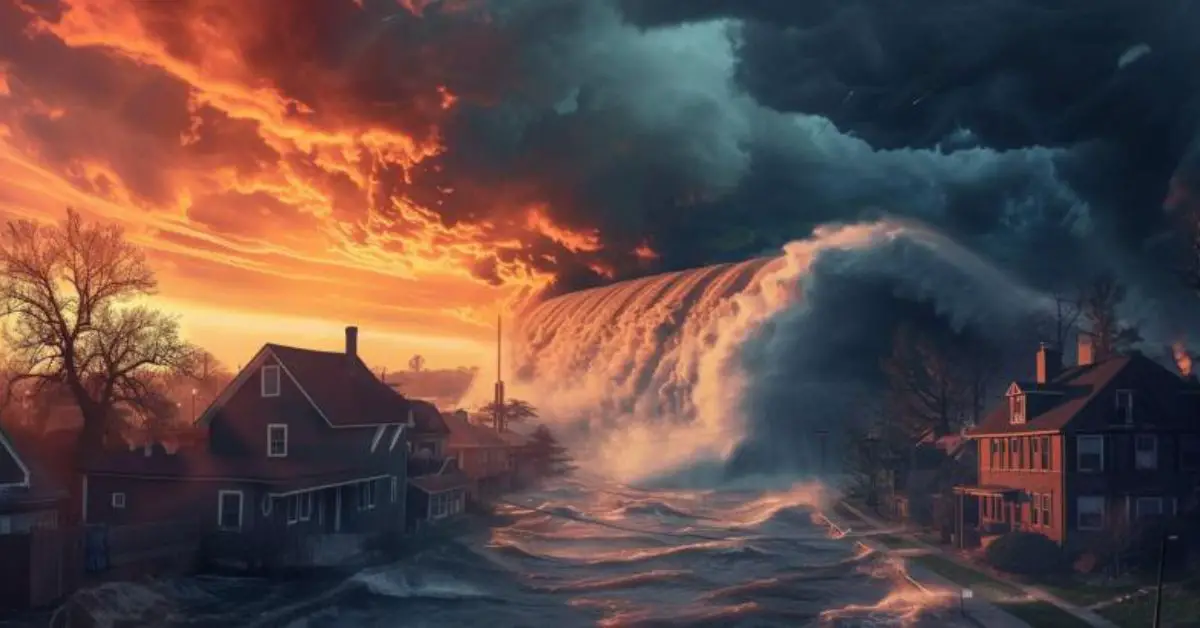
Earthquakes, hurricanes, wildfires, and floods—these devastating events seem to be increasing in both frequency and intensity.
Many people wonder if natural disasters are signs of something bigger, something biblical.
Throughout history, disasters have shaken communities and changed the course of nations, but are they connected to what the Bible calls “the last days”?
The Bible speaks clearly about the events that will take place before the return of Jesus Christ.
Natural disasters are among the signs mentioned in Scripture, warning humanity to turn back to God.
But what exactly does the Bible say about these disasters, and how should believers respond?
Let’s explore biblical prophecy and uncover what God’s Word teaches about natural disasters in the last days.
Natural Disasters as Signs of the End Times
The Bible gives several warnings about the condition of the world before Christ’s return.
In Matthew 24:7-8, Jesus said, “Nation will rise against nation, and kingdom against kingdom.
There will be famines and earthquakes in various places.
All these are the beginning of birth pains.”
The phrase “birth pains” is significant.
Just as contractions grow stronger and closer together before birth, natural disasters will increase as the end draws near.
This does not mean every disaster is a direct judgment from God.
Rather, these events serve as reminders that the world is moving toward a climactic moment in history.
Some people dismiss these warnings, saying natural disasters have always happened.
While that is true, Jesus emphasized that these events would intensify and come with greater regularity.
This aligns with what we are seeing today.
Earthquakes are more frequent.
Storms are more destructive.
Fires spread faster.
The world seems to be groaning, just as Romans 8:22 describes: “We know that the whole creation has been groaning as in the pains of childbirth right up to the present time.”
Old Testament Warnings About Disasters
The Bible contains many instances where natural disasters were used as warnings, calls to repentance, or acts of judgment.
In the Old Testament, disasters were sometimes signs of God’s displeasure with sin.
For example, in Exodus, God sent plagues upon Egypt, demonstrating His power and calling for the release of His people (Exodus 7-11).
In the book of Amos, God speaks through the prophet, reminding Israel that He had sent droughts, locusts, and plagues as warnings, yet the people did not turn back to Him (Amos 4:6-9).
Similarly, 2 Chronicles 7:13-14 states, “When I shut up the heavens so that there is no rain, or command locusts to devour the land or send a plague among my people, if my people, who are called by my name, will humble themselves and pray and seek my face and turn from their wicked ways, then I will hear from heaven, and I will forgive their sin and will heal their land.”
These passages show that disasters can serve as wake-up calls.
They are not random.
They can be reminders that humanity needs to turn to God in humility and repentance.
The Book of Revelation and Natural Disasters
The book of Revelation, the final book of the Bible, contains vivid descriptions of disasters that will occur in the last days.
These events will not be ordinary storms or earthquakes but catastrophic, global upheavals.
Revelation 6:12-14 describes a great earthquake so massive that mountains and islands are moved from their places.
The sun turns black, and the moon becomes like blood.
This passage suggests a disaster far beyond anything the world has ever experienced.
Revelation 8:7-12 describes fire falling from the sky, the destruction of plant life, poisoned waters, and darkness overtaking the land.
These disasters impact the entire planet, signaling that God’s judgment is unfolding.
While some interpret these passages symbolically, others believe they describe literal, end-time disasters that will shake the earth.
Either way, the message is clear: the world will experience severe turmoil before Christ returns.
Are Natural Disasters Punishments from God?
One of the most debated questions is whether natural disasters are punishments from God.
The Bible does provide examples where God used disasters as judgment, such as the flood in Noah’s day (Genesis 6-9) or the destruction of Sodom and Gomorrah (Genesis 19).
However, not every disaster today is a direct punishment.
In Luke 13:1-5, Jesus spoke about two tragic events—a tower collapse and a violent massacre.
He told the people that those who perished were not worse sinners than anyone else.
Instead, He used the events as a warning to all, saying, “Unless you repent, you too will all perish.”
This teaches that disasters should lead people to reflect, repent, and turn to God, rather than assuming they are specific judgments on particular people.
How Should Believers Respond to Disasters?
Natural disasters often bring fear, destruction, and suffering.
For believers, the Bible provides guidance on how to respond during these times.
First, Christians should trust in God’s protection and provision.
Psalm 46:1 declares, “God is our refuge and strength, an ever-present help in trouble.”
Even in the midst of chaos, God remains in control.
Second, believers are called to help those in need.
Galatians 6:2 instructs, “Carry each other’s burdens, and in this way, you will fulfill the law of Christ.”
Whether through prayer, donations, or physical assistance, Christians should be among the first to offer aid and support to those affected by disasters.
Finally, believers should see disasters as reminders of Christ’s return and the urgency of spreading the Gospel.
Matthew 24:14 states, “And this gospel of the kingdom will be preached in the whole world as a testimony to all nations, and then the end will come.”
Disasters shake people’s sense of security, making them more open to hearing the hope found in Jesus Christ.
The Hope Beyond the Storm
The Bible does not leave believers in fear when speaking about the last days.
While it warns of difficulties, it also provides hope.
Revelation 21:4 gives a promise for the future: “He will wipe every tear from their eyes.
There will be no more death or mourning or crying or pain, for the old order of things has passed away.”
For those who trust in Christ, there is no need to fear the future.
The disasters and chaos of this world will one day be replaced by eternal peace in God’s kingdom.
Romans 8:28 reminds believers that “in all things God works for the good of those who love him, who have been called according to his purpose.”
Even in the midst of disaster, God’s plan is unfolding, and He is drawing people closer to Him.
Final Thoughts
Natural disasters are a sobering reality in our world.
The Bible speaks of them as signs of the last days, warning humanity to turn to God.
While disasters can be devastating, they also serve as reminders of the fragile nature of life and the need for salvation.
Rather than responding with fear, believers are called to trust in God, offer help to those in need, and remain steadfast in faith.
The last days may be filled with chaos, but God’s promises remain firm.
For those who belong to Christ, the future is not one of destruction, but of eternal hope and restoration.
Now is the time to seek God, share His truth, and be a light in a world that desperately needs it.