
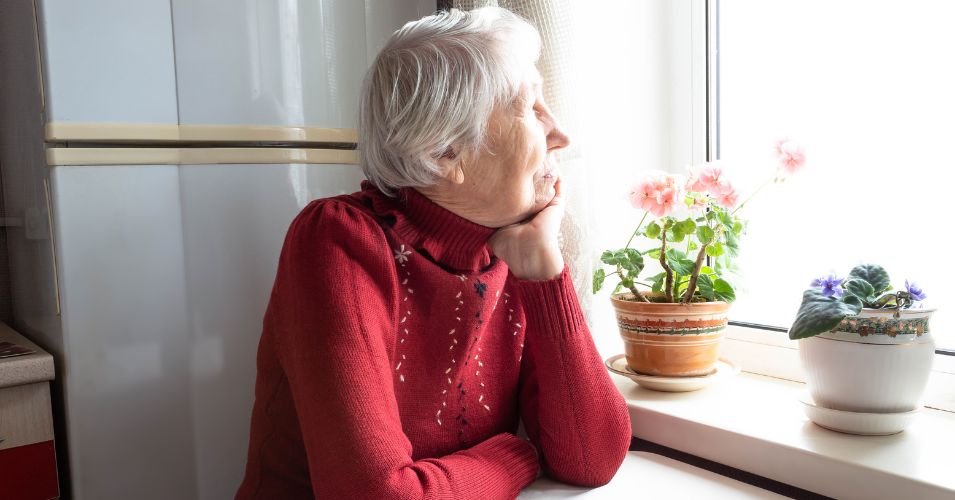
Living alone in your 80s is more than just having the house to yourself. It is a mix of calm moments, quiet strength, and unexpected emotions that most people never prepare you for.
At times it feels peaceful. At other times it feels like the silence has settled too deep.
You begin to notice things you never gave much thought to before.
Some of these things are sweet. Some are challenging. All of them are real.
Here are five truths about living alone in your 80s that people rarely talk about.
The Silence Is Louder Than You Think
At first, silence feels like a gift.
After a lifetime of full schedules, busy households, and conversations that never seemed to end, the stillness can feel almost luxurious. There is no rush to get dressed. No one is calling your name from another room. You are not being asked to solve a problem or find a lost item.
You wake up to a home that is completely yours.
But as the days stretch on, the silence begins to shift.
What once felt peaceful can start to feel too quiet. The background hum of life that used to fill your home is no longer there. You find yourself missing the sound of laughter in the hallway or the clinking of dishes from someone making a late-night snack.
You may notice how loud a ticking clock sounds in an empty room.
You might begin to talk to the television, not because you are confused, but because it feels comforting to hear your own voice in the air.
Some days, you may not speak to anyone at all until evening. And even when the phone rings, there can be a moment of hesitation. Not because you are avoiding people, but because it feels strange to break the quiet.
There is nothing wrong with silence. It has its place and its peace.
But when you live alone in your 80s, silence has a texture. It is not just the absence of noise. It is the space where memories sit. It is where you think about the people who used to be in the room with you.
And that kind of silence is not always gentle.
It can be beautiful one day and feel heavy the next.
Living with it takes practice. Some days you welcome it. Other days, you fight against it.
Over time, you learn how to balance it. You turn on music. You open a window to let in the sounds from outside. You talk to neighbors or wave at passersby.
Little by little, you find ways to make peace with the quiet.
Because even though the silence is louder than you thought, it does not have to be lonely.
Freedom Feels Different at This Age
When people imagine retirement or later life, they often picture freedom.
Freedom to sleep in. Freedom to eat when you want. Freedom to read a book all afternoon or leave the laundry until tomorrow.
And all of that is true.
There is a real sense of independence that comes with living alone in your 80s. You make your own decisions. You set your own pace. You are not responsible for anyone else’s schedule. That can feel deeply satisfying.
But what no one tells you is that this kind of freedom carries a different kind of weight.
It is freedom, yes, but sometimes it also feels like being forgotten.
When there is no one checking in every day, it can make the days blur together. When no one needs anything from you, it can feel like you are not needed at all.
You are free to go where you want, but sometimes there is no one to go with.
You are free to eat what you like, but cooking for one can feel more like a task than a joy.
You begin to notice how many decisions you make alone. Some are small, like what to wear or whether to water the plants today. Others feel larger, like health concerns or financial worries. When you were younger, freedom felt like adventure. Now it can sometimes feel like responsibility without a partner.
Still, freedom is not just about doing whatever you want. It is also about knowing who you are without anyone else defining it for you.
This age gives you space to reflect. You can create your own rhythm. You can start a morning ritual or take your time with things that once had deadlines.
You are free to enjoy your own company. That is not always easy, but it is powerful.
Some people spend their whole lives trying to reach a point where they are comfortable in their own skin.
Living alone in your 80s gives you a chance to do that more deeply.
You begin to trust yourself more. You stop rushing to please everyone. You find beauty in the slow.
And though it may not be the kind of freedom they show in commercials or greeting cards, it is a kind that is built on strength.
Quiet strength. The kind that says, I may be older, but I still choose how I live my days. That is a kind of freedom worth holding onto.
Small Tasks Can Become Big Hurdles
When you live alone in your 80s, little things start to shift in ways you never saw coming.
Tasks that once took five minutes can now take an hour.
You notice it when you go to open a jar and the lid will not budge. You try again with both hands. Then you get that rubber grip you keep under the sink. Still no luck.
You sit down to rest your hands and suddenly you are tired just from trying.
Or maybe it is something like changing a lightbulb. You know how to do it. You have done it a hundred times before. But now the stool feels wobbly, and your balance is not what it used to be.
So you leave the bulb alone, and now that hallway stays dark.
Even laundry starts to feel like a full day’s job. Carrying it from the bedroom to the machine. Bending down to switch loads. Pulling sheets from the dryer that are too heavy to fold alone.
It is not just the physical effort. It is the planning. The pacing. The knowing that no one is there to lend a hand if something goes wrong.
Things like mailing a letter or moving a chair across the room become moments you have to think through in advance.
There is no shame in this. It is simply part of the reality of living in an aging body, in a home where help is not just down the hall.
The hardest part is not always the task itself. It is the feeling that everything now takes more time, more energy, and more patience.
And sometimes, it is the frustration of knowing you used to do it all without a second thought. But you learn to adapt.
You place tools within reach. You stop overthinking things that are not urgent. You let go of perfection and choose what works.
And some days, you surprise yourself by how much you still can do. Even if it takes longer. Even if it looks a little different than it used to. You get it done. And that still counts for something.
Loneliness Does Not Always Look the Way You Expect
Loneliness is a word people throw around a lot, but most do not understand how quiet and sneaky it can be.
It does not always show up with tears or long sighs. Sometimes it shows up as standing in the middle of your living room and not knowing what to do next. Or making a pot of soup and realizing halfway through that no one else is coming to eat it.
It can be sitting on your porch, watching the world move by, wondering if anyone even notices you are there.
Loneliness in your 80s is not just about being alone. It is about not feeling seen.
You can have friends. You can talk to people on the phone. You can even wave to neighbors. But deep inside, you might still carry a sense of being apart from the world.
There is a distance that is hard to name.
You may think of people you once spoke to every day and now only hear from on birthdays.
You may scroll through pictures or flip through photo albums, not because you are stuck in the past, but because those faces still feel close in your heart.
Sometimes loneliness is triggered by a quiet holiday. Or an empty seat at the table. Or a conversation where someone says, We should get together soon, and then they never do.
It is not that people mean to forget. It is just that life pulls them in different directions. And while they are rushing from one thing to another, your world stays still.
The hard truth is that loneliness is not about how many people you know. It is about feeling connected. Feeling important to someone. Feeling remembered.
But the good news is this. Even when loneliness creeps in, it does not have to stay.
A walk in the neighborhood, a call to a familiar voice, a visit to the local library or community center can change the shape of a day.
Even one real conversation can remind you that you still matter. Because you do.
You are not invisible. You are not forgotten. And your presence still brings warmth into the world. Even when it feels like no one is watching.
The Strength in Making Peace With Slow Days
Living alone in your 80s brings with it a different rhythm.
Days move at a quieter pace. The rush of raising children, working jobs, and managing a household is behind you. In its place is a slower, gentler kind of time.
At first, this change can feel like a loss.
You may wake up and wonder what the day is supposed to be for. You may ask yourself if you are doing enough or if you should be filling your time with more.
But the truth is, slow days are not empty days. They are full of small, quiet victories.
Watering the plants. Folding the towels just the way you like. Sitting in your favorite chair with a book you have read before but still love.
These moments matter.
The world often tells us we need to be busy to be useful. That we should be productive, active, constantly chasing the next thing. But there is great strength in being still.
It takes wisdom to slow down and not feel guilty. It takes courage to be at peace in your own company.
Some days will feel long. That is true. The afternoons may stretch out in front of you, especially if no one is coming by and the phone stays quiet. But those are also the days when you notice things others miss.
The way sunlight moves across the wall. The way a bird lands on the porch railing and takes a moment to look around.
You begin to appreciate the small details. You become the keeper of memories and moments. You are not rushing anymore. You are noticing. And in that noticing, there is power.
Living alone teaches you how to be with yourself. Not just tolerate the quiet, but truly live in it. This does not mean you never feel lonely or bored. It just means you learn how to soften into the slowness.
You make your own routines. You create comfort in the everyday. You remind yourself that a slow day can still be a good one. Not because it was packed with plans, but because you were present for it. And that is something to be proud of.
Final Thoughts
Living alone in your 80s is filled with quiet truths that most people do not prepare you for.
Some days are rich with peace. Others carry a quiet ache. Both are part of the journey.
You learn that silence is not just empty space. It holds memories, reflections, and sometimes even healing.
You find strength in small tasks. In managing your world one piece at a time. In showing up for yourself, day after day.
And in the end, it is not about being busy or having a full calendar. It is about staying connected to who you are. About knowing that your life still holds meaning, even in the stillness.
Because it does. You are still here. You still matter. And that is enough.